

 English
 Español
 عربى
عربىIndustrial control cabinets do not always operate in clean and stable environments. Machinery vibration, temperature changes, humidity, dust and chemical exposure can all place additional demands on electrical connections. A component that performs well in a controlled workshop may require a different specification when installed near production machinery or in a demanding industrial environment. For engineers and procurement teams, choosing Terminal Blocks should therefore involve more than checking electrical ratings. Mechanical stability, insulation material, connection technology and environmental compatibility also need to be considered before a product is selected for long-term equipment use.
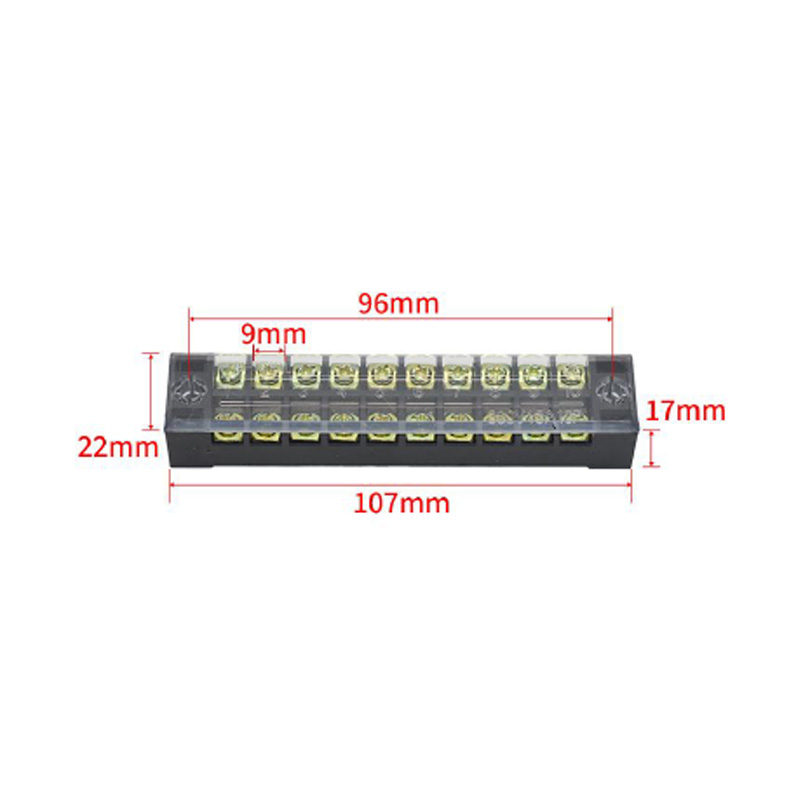
Vibration Can Change the Connection Requirement
Machinery such as motors, pumps, compressors and automated production equipment can introduce continuous or intermittent vibration into a control cabinet. Over time, mechanical movement can make connection stability an important design consideration.
Different terminal technologies respond differently to vibration. Spring-based connection systems are designed to maintain contact pressure as the conductor and terminal experience mechanical movement. Major industrial suppliers also position spring-pressure terminal blocks for applications where vibration resistance is important.
For engineers, the key question is not simply whether a terminal block is rated for vibration, but whether its connection technology matches the actual operating environment.
Temperature Changes Should Be Considered Early
Control cabinets can experience temperature changes caused by ambient conditions, electrical loading and nearby equipment. These variations may affect both conductive and insulating materials.
When selecting a terminal block, engineers should review the manufacturer's specified operating temperature range rather than relying on general assumptions. The housing material, conductive parts and connection system should all be suitable for the intended environment.
For equipment manufacturers, documenting the expected temperature conditions during the design stage can help narrow down suitable terminal block materials and configurations before production begins.
Moisture Requires More Than a Suitable Housing
Humidity and condensation can create additional challenges for electrical connections. A terminal block installed in a damp environment should be selected according to the complete enclosure and wiring design rather than considered as an isolated component.
Engineers should evaluate the enclosure's protection level, ventilation, condensation risk and the location of the control cabinet. Material selection and creepage and clearance requirements should also be checked against the applicable product specifications.
In environments where moisture is expected, preventing condensation through appropriate system design can be just as important as selecting the terminal block itself.
Dust and Contamination Can Affect Maintenance
Industrial facilities may contain dust, fibers, oil mist or other airborne contaminants. Even when a terminal block is installed inside a cabinet, contamination can become a maintenance concern if the enclosure is frequently opened.
A practical wiring design should keep terminal rows organized and accessible for inspection. Clear identification can help technicians locate connections without unnecessarily disturbing neighboring conductors.
For manufacturers building equipment for dusty production environments, cabinet design, sealing strategy and terminal arrangement should be evaluated together instead of treating the terminal block as the only protective measure.
Chemical Exposure Changes Material Selection
Certain industrial environments may contain cleaning agents, oils or chemical vapors that can affect polymers and metal surfaces over time. The compatibility of the terminal block housing and conductive components should therefore be reviewed against the substances expected in the installation environment.
Engineers should request material information from suppliers when chemical exposure is part of the application. A generic "industrial grade" description does not provide enough information to determine compatibility with a specific chemical environment.
This is an area where technical communication between the buyer and manufacturer can prevent unsuitable component selection.
Mechanical Retention Matters on the DIN Rail
A terminal block must remain securely positioned as part of the overall wiring assembly. DIN-rail compatibility, end stops, separators and other accessories all contribute to a stable terminal row.
A properly planned mounting system can also make inspection and replacement easier. Manufacturers should ensure that the terminal body and compatible accessories form a coherent system rather than treating each component independently.
For procurement teams, checking accessory availability before placing a bulk order can avoid problems during final cabinet assembly.
Consider the Complete Environmental Profile
Harsh environments rarely create only one challenge. A machine may experience vibration and heat at the same time, while a factory installation may combine humidity, dust and frequent maintenance.
Engineers can therefore evaluate several conditions together:
- Operating temperature and temperature variation
- Mechanical vibration
- Humidity and condensation
- Dust and contamination
- Chemical exposure
- Available cabinet space
- Expected maintenance frequency
This approach provides a more realistic basis for terminal block selection than choosing a component according to current and voltage ratings alone.
Work With a Manufacturer That Understands the Application
For overseas buyers, selecting Terminal Blocks for demanding industrial equipment requires a clear understanding of the environment in which the connection will operate. A suitable product should be evaluated through its electrical specifications, mechanical design, insulation materials, mounting system and connection technology.
Working with an experienced manufacturer also gives engineers an opportunity to discuss environmental conditions before finalizing the specification. By matching the terminal block design to vibration, temperature, humidity, contamination and maintenance requirements, equipment manufacturers can create wiring systems that are better suited to real industrial operating conditions and more practical for long-term service.