

 English
 Español
 عربى
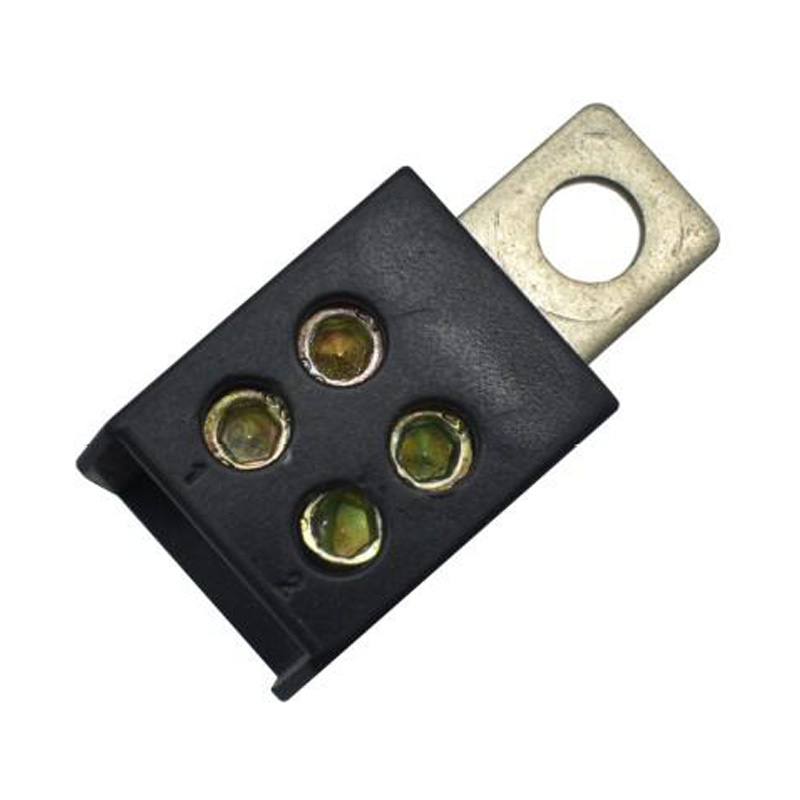
In industrial control panels, automation equipment, and electrical distribution systems, a small connection problem can interrupt an entire operation. Loose conductors, unsuitable wire connections, excessive heat, and difficult maintenance are common concerns for electrical engineers and equipment manufacturers. Selecting suitable Terminal Blocks is therefore an important part of electrical system design. Rather than focusing only on rated current or product dimensions, buyers need to understand how connection technology, conductor compatibility, installation conditions, and manufacturing quality work together to support stable electrical connections.
Understanding the Causes of Unreliable Electrical Connections
Connection problems do not always result from defective components. Incorrect installation, mismatched wire sizes, unsuitable terminal selection, and environmental conditions can also affect connection performance.
For example, a conductor that does not match the specified connecting capacity may not be secured properly. In screw-type designs, insufficient or excessive tightening torque can create additional problems. Vibration and repeated thermal changes may also influence connections over time, depending on the terminal structure and application.
For equipment manufacturers, identifying these risks during product design is more practical than addressing connection failures after installation.
Choosing the Right Connection Technology
Different terminal block designs provide different installation and maintenance advantages. Screw-clamp, spring-clamp, and push-in connections are commonly used across industrial electrical applications.
Screw-type terminal blocks: Provide a mechanical clamping connection and are suitable for many conventional control panel and distribution applications. Correct tightening torque is important.
Spring-clamp terminal blocks: Use spring pressure to maintain conductor contact and can be useful in applications where vibration resistance is a consideration.
Push-in terminal blocks: Allow compatible conductors to be inserted directly, helping simplify wiring operations and reduce installation steps.
The appropriate choice depends on conductor type, electrical requirements, installation procedures, and maintenance preferences. No single connection technology is suitable for every application.
Current Rating and Wire Compatibility Should Come First
One purchasing mistake is selecting terminal blocks based only on physical appearance or nominal current values. Electrical specifications must match the actual system requirements.
Before confirming a product, engineers should evaluate:
Rated current and operating voltage.
Compatible conductor cross-section, including AWG or mm² specifications.
Solid, stranded, and ferruled conductor compatibility.
Number of conductors permitted per connection point.
Temperature conditions and applicable derating requirements.
A terminal block's rated current should not automatically be treated as its allowable current in every installation. Ambient temperature, adjacent loaded positions, enclosure conditions, and conductor selection can influence actual operating limits.
Managing Space in Modern Electrical Control Panels
As industrial equipment becomes more integrated, control panel designers often need to accommodate additional circuits without unnecessarily increasing enclosure dimensions.
DIN rail terminal blocks offer a modular approach to organizing electrical connections. Multi-level configurations can help arrange more connection points within a limited installation area, while jumper accessories can simplify the distribution of common electrical potentials.
However, compactness should not compromise accessibility. Engineers should consider wire entry direction, marking space, separation requirements, and room for future maintenance when planning terminal block arrangements.
Why Installation Quality Influences Long-Term Performance
Even a properly selected component can experience connection problems if installation procedures are inconsistent. Electrical assembly teams should follow the manufacturer's instructions and use appropriate tools for the selected connection technology.
Several practices deserve particular attention:
Strip conductors to the specified length.
Use compatible wire ferrules where required.
Apply the recommended tightening torque to screw connections.
Check conductor positioning and mechanical retention.
Inspect wiring identification and connection arrangements before commissioning.
These procedures help reduce installation-related errors and make subsequent inspection easier.
What Should Buyers Expect from a Terminal Block Manufacturer?
For overseas distributors, electrical contractors, and OEM equipment manufacturers, supplier evaluation should extend beyond unit pricing. Consistent specifications, technical documentation, and manufacturing quality are important when sourcing components for repeated production orders.
A professional manufacturer should provide clear information about product dimensions, connection types, conductor ranges, rated electrical values, and applicable certifications. Buyers should also confirm whether the selected product meets the standards required in their target markets.
Under IEC 60947-7-1, terminal block specifications include connection type, rated values, and conductor connecting capacity. These details provide an important reference when comparing products from different suppliers.
Building More Reliable Electrical Systems Through Better Selection
Electrical connection components may be small, but their selection influences panel assembly, maintenance planning, and overall system operation. As industrial automation and equipment integration continue to develop, buyers need connection solutions that balance electrical suitability, installation convenience, and practical space requirements.
As a manufacturer, we understand that product selection begins with the customer's actual application. By evaluating conductor compatibility, connection structure, electrical ratings, and production consistency, buyers can make more informed sourcing decisions. Whether purchasing components for control cabinets, automation equipment, or electrical distribution systems, selecting suitable Terminal Blocks is an important step toward building organized and dependable electrical connections.