

 English
 Español
 عربى
As electrical control panels become more compact and equipment configurations grow more varied, wiring organization has become an important part of electrical system design. Poorly selected connection components can make installation more complicated, create difficulties during maintenance, and limit the flexibility of future modifications. For panel builders, automation equipment manufacturers, and electrical distributors, choosing suitable Terminal Blocks means looking beyond connection capacity. Mounting methods, conductor compatibility, current and voltage ratings, insulation materials, and available space all need to match the intended application.
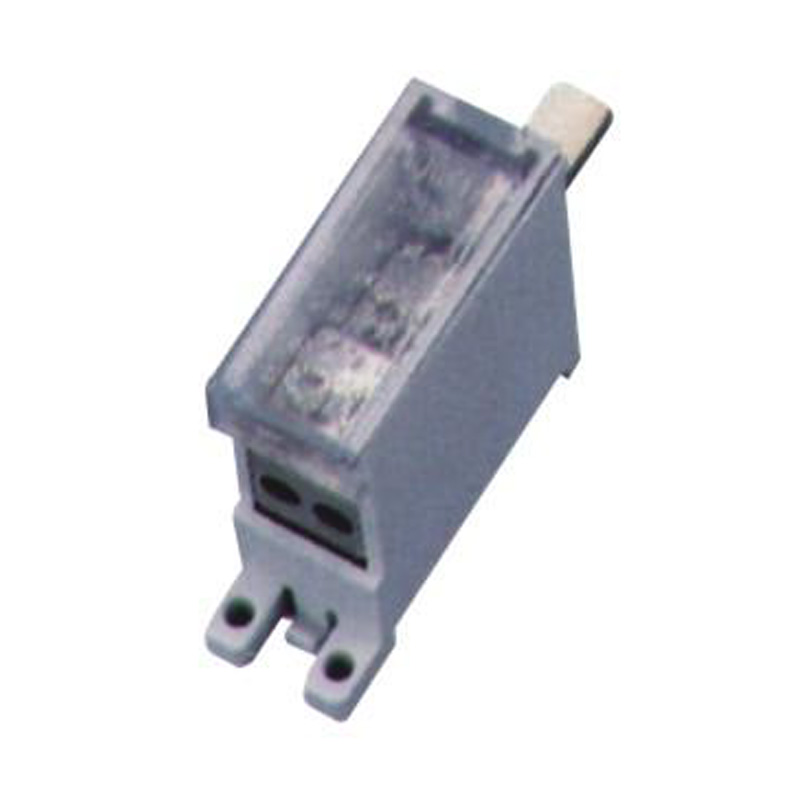
Select the Connection Type According to Installation Needs
Different electrical projects require different wiring approaches. Screw-type terminal blocks are commonly considered when installers need a familiar clamping method, while spring-clamp and push-in designs can support faster conductor connections in suitable applications.
Each connection method has its own installation requirements. Buyers should consider the conductor type, wire size, expected maintenance frequency, and the working environment before selecting a design.
For manufacturers, the objective is to provide a connection structure that matches the customer's wiring process. A terminal block should be evaluated not only by how easily a wire can be inserted but also by how the conductor is retained under the specified operating conditions.
Check Electrical Ratings Before Comparing Models
Current and voltage ratings are fundamental selection criteria. Choosing a terminal block without checking these values against the circuit requirements may create compatibility and safety concerns.
Engineers should also consider conductor cross-section, insulation requirements, ambient temperature, and the applicable electrical standards. The rated performance of a terminal block depends on its specified conditions, so buyers should review technical documentation rather than relying on product appearance or general descriptions.
When developing a project specification, it is useful to confirm the required ratings and conductor range before discussing dimensions or customization.
Make Wiring Space Part of the Design Process
Control panels often contain relays, circuit breakers, power supplies, controllers, and other components competing for limited installation space. Terminal block dimensions and mounting arrangements can influence how efficiently the wiring area is organized.
Compact terminal blocks may help make better use of available rail space, but size should not be the only consideration. Engineers also need sufficient room for conductor insertion, screwdriver access where applicable, wire routing, and future inspection.
A practical layout should allow technicians to identify connections and work on individual circuits without unnecessary interference from adjacent components.
Consider Materials and Environmental Conditions
The insulating housing and conductive components serve different functions and must be selected with the application in mind. Housing materials need to meet relevant insulation, temperature, and flame-retardancy requirements, while conductive parts should provide suitable electrical and mechanical properties.
For industrial applications, buyers may also need to consider exposure to vibration, humidity, dust, or temperature changes. These conditions can influence the selection of the terminal block and its installation arrangement.
Manufacturers should communicate material specifications and applicable test information clearly. Buyers can then compare products based on documented requirements rather than broad claims about performance.
Improve Maintenance Through Clear Identification
A well-organized terminal arrangement makes troubleshooting and system modification easier. When connections are difficult to identify, technicians may spend additional time tracing wires or checking circuit documentation.
Useful accessories and design options may include:
Marking areas or identification strips
End plates and end brackets
Cross-connection accessories
Grounding terminal blocks
Different terminal colors for circuit identification
The exact configuration depends on the panel design and applicable electrical practices. Consistent labeling between the physical installation and wiring diagrams is particularly valuable for maintenance teams.
Verify Compatibility With DIN Rails and Accessories
Many industrial terminal blocks are designed for DIN rail mounting, but buyers should confirm the required rail type, dimensions, and accessory compatibility before ordering. A terminal block that does not fit the intended mounting arrangement can create avoidable assembly work.
Accessories also need to match the selected product series. End covers, jumpers, markers, and mounting components should be checked together rather than sourced as unrelated items.
For distributors managing several product categories, maintaining clear model references and compatibility information can simplify inventory planning and reduce ordering errors.
Work With a Manufacturer That Understands Panel Applications
For overseas buyers, supplier evaluation should include more than price and delivery arrangements. Technical drawing review, product ratings, material information, sample testing, accessory availability, and batch consistency all contribute to a successful sourcing decision.
As a Terminal Blocks manufacturer, we recognize that connection components must fit the electrical design, installation process, and maintenance requirements of the finished equipment. By discussing conductor specifications, mounting conditions, electrical ratings, and accessory needs at the beginning of a project, buyers can select Terminal Blocks that support more organized panel assembly and practical long-term maintenance.