

 English
 Español
 عربى
عربىThe global electrical and industrial automation industry is rapidly evolving as factories, infrastructure projects, and renewable energy systems demand higher efficiency, safer wiring, and more stable power distribution. As systems become more compact and intelligent, engineers are placing greater focus on connection reliability, installation efficiency, and long-term electrical stability. In this context, TB TC TD Terminal solutions are increasingly searched by procurement teams and engineers who need dependable connection components for control cabinets, machinery systems, and power distribution networks.
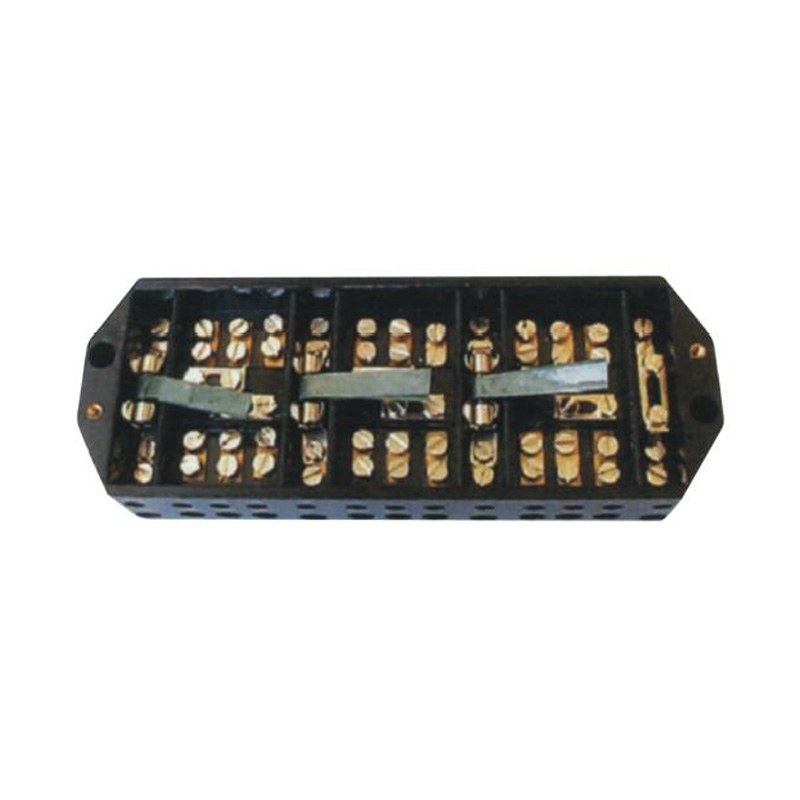
Recent industry search trends highlight strong interest in vibration-resistant designs, high-conductivity materials, and fast-installation terminal systems for industrial environments.
Why Is Electrical Connection Reliability a Core Engineering Concern?
In modern electrical systems, connection points are among the sensitive elements. A weak or unstable connection can advance to system failure, overheating, or safety hazards, especially in continuous industrial operation.
Key reliability requirements include:
- Stable current transmission under continuous load
- Secure mechanical locking to prevent loosening
- Reduced risk of overheating at connection points
- Long-term stability under electrical stress
Reliable connections are essential for maintaining system safety and efficiency.
How Is Material Engineering Improving Terminal Performance?
Material selection plays a major role in determining conductivity, durability, and resistance to environmental factors such as heat and oxidation.
Manufacturers are focusing on:
- High-purity copper alloy conductive structures
- Anti-corrosion surface treatment technologies
- Improved thermal resistance under high current load
- Reduced contact resistance for energy efficiency
Better materials directly improve electrical performance and system stability.
Why Is Fast Installation Becoming a Priority in Industrial Projects?
As industrial projects scale globally, installation time has become a key cost factor. Engineers and contractors are increasingly looking for solutions that reduce wiring complexity and labor time.
Key installation benefits include:
- Tool-friendly and quick mounting systems
- Clear terminal layout for easier wiring identification
- Reduced installation error rates
- Faster commissioning of electrical systems
Efficient installation improves project timelines and reduces operational costs.
How Is Vibration and Shock Resistance Improving System Safety?
Electrical systems in industrial environments such as automation lines, transportation systems, and energy facilities are often exposed to vibration and mechanical stress.
Key engineering improvements include:
- Reinforced clamping structures for secure fixation
- Anti-loosening mechanical designs
- Stable electrical contact under continuous vibration
- Improved structural durability for harsh environments
These features ensure safe and uninterrupted electrical performance.
Why Is Standardization Important in Modern Terminal Systems?
With the global expansion of industrial automation, standardized electrical components are essential for compatibility and scalability across different systems.
Benefits of standardization include:
- Easier integration into control panels and machines
- Reduced inventory complexity for distributors
- Improved compatibility across international systems
- Simplified maintenance and replacement processes
Standardization supports efficient global supply chain operations.
Manufacturer Insight: What Are Global Buyers Prioritizing Today?
As a manufacturer in electrical connection components, we see a clear shift toward system reliability, safety compliance, and installation efficiency. Buyers are now evaluating products based on lifecycle performance rather than just initial specifications.
Common OEM requirements include:
- Stable electrical performance across production batches
- Custom terminal configurations for specific applications
- Compliance with international safety and electrical standards
- Scalable production capacity for global industrial demand
This reflects the growing complexity and professionalization of industrial electrical systems.
Are Advanced Terminal Systems Defining the Future of Electrical Connectivity?
As industrial automation, renewable energy, and smart infrastructure continue to expand, electrical connection systems are becoming more critical than ever. Performance, safety, and installation efficiency now directly influence engineering decisions and procurement strategies.
In this evolving environment, sourcing from a reliable Connectors Terminals supplier helps ensure stable electrical performance, improved system reliability, and long-term operational safety across modern industrial applications.