

 English
 Español
 عربى
عربىThe global industrial landscape is rapidly shifting toward automation, electrification, and smart infrastructure integration. From manufacturing plants and renewable energy stations to transportation systems and building automation, every modern system depends on stable and efficient electrical connections. As equipment becomes more compact and power density increases, engineers are paying closer attention to connection safety, conductivity performance, and installation efficiency. In this environment, TB TC TD Terminal solutions are increasingly searched by procurement teams and electrical engineers looking for reliable connection components that can perform under complex operating conditions.
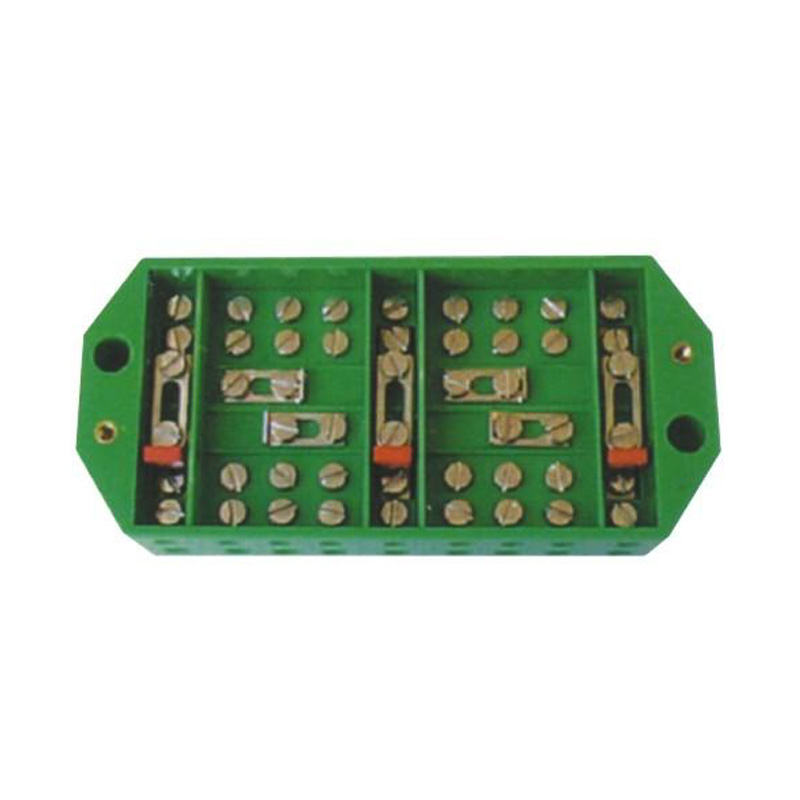
Recent industry discussions and search trends highlight growing demand for anti-vibration structures, high-current stability, and modular wiring systems that simplify installation and maintenance.
Why Is Electrical Connection Quality Now a System-Level Concern?
In modern industrial systems, electrical connections are no longer simple interface points—they directly affect system stability and safety. A single weak connection can impact entire production lines or control systems.
Key concerns include:
- Prevention of overheating at connection points
- Stable current transmission under continuous operation
- Reduction of signal interference in control systems
- Improved safety in high-load environments
Connection quality is now treated as a critical engineering parameter.
How Is High-Conductivity Design Improving System Efficiency?
Electrical efficiency depends heavily on how well current is transmitted through terminal interfaces. Even small resistance increases can advance to energy loss and heat buildup.
Manufacturers are focusing on:
- High-purity copper alloy conductive cores
- Reduced contact resistance structures
- Anti-oxidation surface treatments
- Improved thermal stability under load
Better conductivity directly improves system efficiency and reliability.
Why Is Modular Wiring Becoming a Preferred Engineering Approach?
As industrial systems become more complex, modular wiring solutions are gaining popularity for their flexibility and scalability.
Key advantages include:
- Faster system assembly and configuration
- Simplified maintenance and replacement
- Reduced wiring errors during installation
- Easier system expansion and upgrades
Modular design helps engineers manage complex electrical systems more efficiently.
How Is Vibration Resistance Enhancing Industrial Safety?
Industrial environments such as automation lines, rail systems, and heavy machinery expose electrical components to continuous vibration and mechanical stress.
Engineering improvements include:
- Reinforced locking and clamping structures
- Anti-loosening mechanical designs
- Stable contact pressure under movement conditions
- Enhanced structural durability for long-term operation
These improvements significantly reduce connection failure risks.
Why Is Installation Efficiency Becoming a Procurement Priority?
Large-scale industrial projects require thousands of connection points, making installation time a major cost factor. Buyers now prioritize solutions that reduce labor and simplify wiring processes.
Key efficiency factors include:
- Tool-free or simplified installation systems
- Clear labeling for fast identification
- Reduced commissioning time for control systems
- Lower training requirements for technicians
Efficient installation directly improves project profitability.
Manufacturer Insight: What Are Global Buyers Expecting?
As a manufacturer in electrical connection systems, we see a strong shift toward performance-driven procurement decisions. Buyers are increasingly focused on long-term operational stability rather than only initial cost.
Common expectations include:
- Stable electrical performance under continuous load
- Custom terminal configurations for different applications
- Compliance with international safety standards
- Reliable large-scale supply capability for global projects
This reflects the increasing technical sophistication of industrial procurement.
Are Advanced Connection Systems Defining the Future of Industrial Electrical Design?
As smart factories, renewable energy systems, and automated infrastructure continue to expand, electrical connection technology is becoming a foundational element of system performance. Reliability, efficiency, and modularity now define engineering decisions across industries.
In this evolving environment, sourcing from a trusted Connectors Terminals supplier helps ensure stable electrical performance, improved installation efficiency, and long-term operational safety in modern industrial applications.