

 English
 Español
 عربى
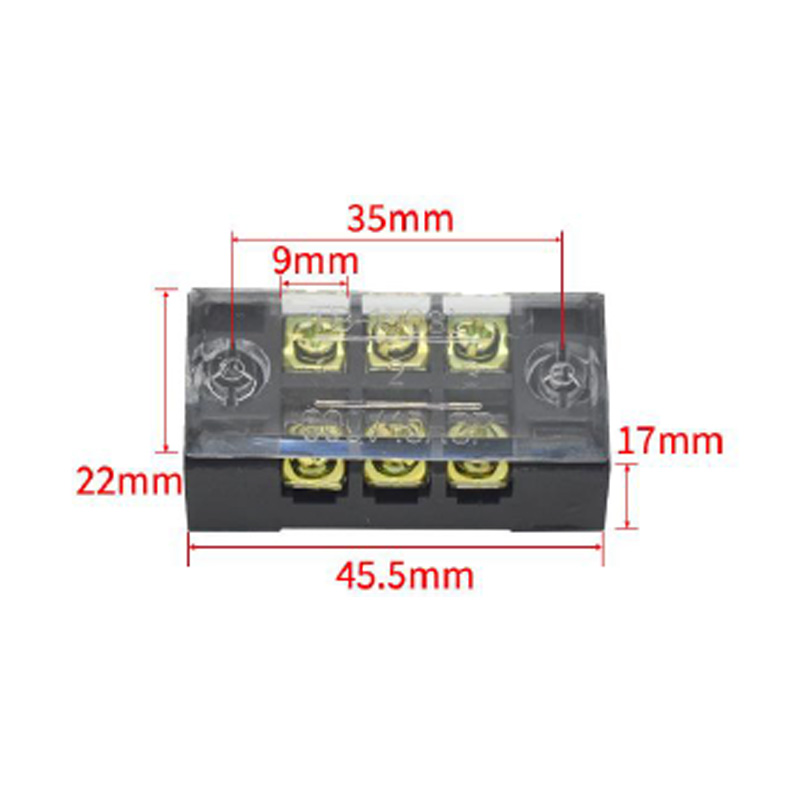
عربىIn industrial control cabinets, automation equipment and electrical distribution systems, a wiring connection must do more than hold a conductor in place. Installation method, conductor type, available cabinet space, vibration conditions and future maintenance can all influence the right component choice. This is why selecting Terminal Blocks should begin with the actual wiring application rather than simply comparing product appearance or rated current. For overseas buyers and engineering teams, understanding the differences between screw, spring-clamp and push-in connections can make product selection more practical and help avoid unnecessary redesigns during panel assembly.
Start With the Conductor
The selection question should be what type of conductor will be connected. Solid and stranded wires can behave differently during insertion and clamping, while ferrules may also change the preparation requirements.
Engineers should confirm the conductor material, cross-section, insulation diameter and preparation method before selecting a terminal block. The exact allowable conductor range is model-specific, so a block that appears suitable by size may not necessarily support the intended wire configuration.
Starting with the conductor also helps manufacturers recommend a connection method that matches the actual assembly process.
When Does a Screw Connection Make Sense?
Screw-type connections remain useful where technicians need a familiar mechanical clamping method and where the installation process already includes controlled tightening.
They can be suitable for various wiring applications, but proper installation remains important because clamping performance depends on the specified tightening procedure. For maintenance teams, the ability to access and service the connection can also be a consideration.
For buyers developing control panels, the question should not be whether screw terminals are old or new technology, but whether their installation and maintenance procedures fit the project.
Where Do Spring-Clamp Designs Add Value?
Spring-clamp connections use a spring mechanism to maintain contact pressure on the conductor. This can be useful in applications where vibration or repeated environmental changes are concerns.
The connection method can also simplify certain wiring procedures because the conductor is secured by the spring mechanism rather than relying solely on screw tightening. Current product guidance from major terminal-block manufacturers highlights spring connections for industrial wiring and applications requiring reliable mechanical contact.
For machinery and automation equipment, this can make spring-clamp terminal blocks worth considering when installation conditions are more demanding.
Why Are Push-In Terminals Gaining Attention?
Push-in technology is increasingly used where panel builders want to simplify repetitive wiring operations. Compatible conductors can be inserted directly into the clamping point, while release mechanisms allow later servicing.
This approach can be particularly useful in control cabinets with a large number of repeated connections. It can also support cleaner wiring workflows when the conductor preparation and terminal specifications are clearly defined.
However, buyers should verify exactly which conductor types and preparation methods the selected model supports rather than assuming every push-in terminal accepts every wire.
Cabinet Space Should Influence the Decision
Electrical panels are often designed around limited DIN-rail and wiring space. Terminal width, conductor entry direction, adjacent accessories and service clearance can all affect the final layout.
A compact terminal block may help improve cabinet organization, but smaller dimensions should not be considered separately from conductor capacity and accessibility.
When designing a new panel, engineers can evaluate:
Terminal width and mounting position
Wire-entry direction
Clearance for tools
Marker visibility
Jumper requirements
Access for future maintenance
Considering these details early can reduce wiring congestion during assembly.
Match the Terminal Function to the Circuit
Not every circuit needs the same terminal structure. Standard feed-through connections may be appropriate for basic conductor-to-conductor wiring, while grounding, fuse, disconnect, test or distribution functions may require dedicated terminal designs.
A complete terminal-strip design may therefore contain several functional types within the same cabinet. Industrial product ranges commonly include feed-through, grounding, fuse, sensor and multi-circuit options for different control and distribution requirements.
For procurement teams, selecting the function can make the subsequent specification process much clearer.
Think About Maintenance Before Installation
A terminal block becomes part of the service infrastructure of a panel. If technicians need to troubleshoot circuits later, clear identification and accessible connection points can save time during maintenance.
Marking systems, end plates, separators and jumpers should therefore be considered alongside the terminal block itself. A complete accessory system can help create a more organized wiring structure and make future modifications easier.
This is especially relevant for industrial equipment expected to remain in service for extended periods.
Choose Based on the Complete Wiring System
There is no universal connection method suitable for every industrial application. Screw, spring-clamp and push-in technologies each have different implications for installation, conductor preparation, maintenance and working conditions.
For overseas procurement teams, selecting Terminal Blocks should therefore involve more than checking current and voltage ratings. By evaluating the conductor, connection method, cabinet layout, circuit function and maintenance requirements together, buyers can develop a more practical wiring system and work with manufacturers to select terminal solutions that match the actual demands of industrial automation and electrical equipment.