

 English
 Español
 عربى
Electrical components installed inside industrial equipment do not always operate under ideal conditions. Temperature fluctuations, vibration, humidity, dust, and limited ventilation can all influence the performance of electrical connections. For equipment manufacturers and electrical distributors, selecting suitable Terminal Blocks requires more than checking rated current and voltage. The surrounding environment, housing material, connection structure, and installation requirements also deserve attention. Choosing the right configuration at the beginning can help reduce compatibility issues and make electrical systems easier to maintain throughout their service life.
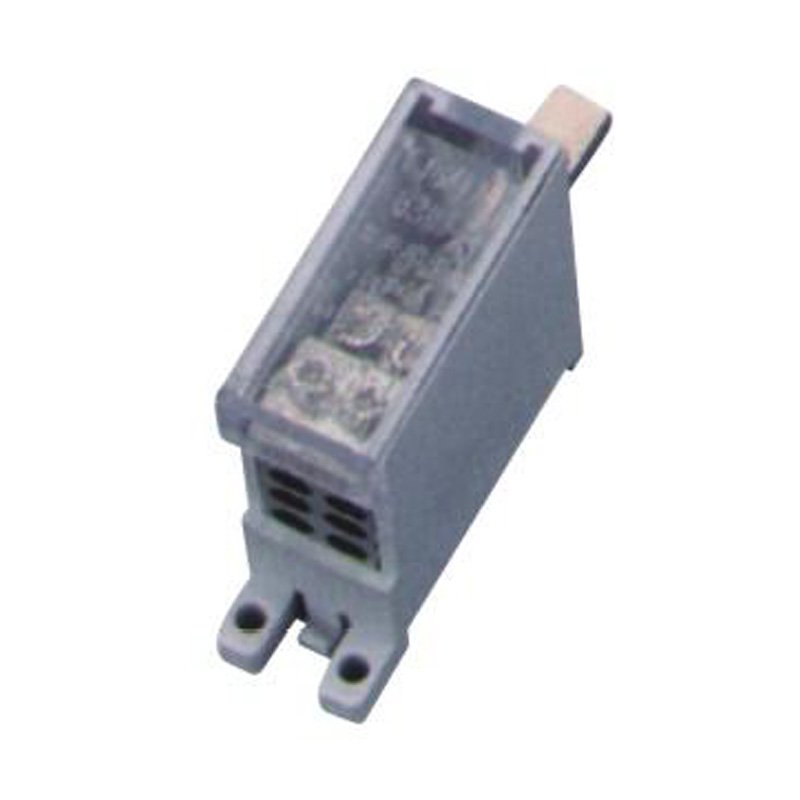
Temperature Conditions Can Influence Terminal Block Selection
Temperature is an important consideration when selecting electrical connection components. Terminal blocks installed near power devices, heating equipment, or inside compact control cabinets may experience different thermal conditions from those used in ordinary indoor installations.
Excessive heat can affect insulating materials and connection performance. At the same time, the rated current of a terminal block may need to be adjusted according to ambient temperature and installation conditions.
When evaluating products, engineers should examine:
The specified operating temperature range.
Insulating material properties and temperature ratings.
Rated current under the manufacturer's stated conditions.
Spacing and ventilation within the enclosure.
Applicable temperature derating requirements.
Rather than relying on a general material description, buyers should request technical documentation for the specific product series.
Why Material Selection Deserves More Attention
The insulating housing is an important part of terminal block construction. It separates conductive components and helps maintain electrical insulation under specified operating conditions.
Different applications may require different material characteristics. Buyers should consider factors such as thermal stability, mechanical strength, flame-retardant properties, and resistance to environmental influences.
For example, electrical equipment installed in industrial production facilities may encounter different operating conditions from control systems used in indoor commercial equipment.
Material selection should therefore be based on the intended application and relevant product standards. A material that performs well in one environment should not automatically be considered suitable for every installation.
Vibration Resistance Is Important in Industrial Equipment
Vibration is a common consideration in machinery, transportation equipment, and industrial production systems. Continuous mechanical movement may influence electrical connections, particularly when components are not properly selected or installed.
For this reason, buyers should examine the connection structure rather than assuming that all terminal blocks provide the same level of vibration resistance.
Spring-clamp connections are often considered for applications where maintaining contact pressure is important. Screw-type designs can also be suitable when correctly installed according to the manufacturer's specified tightening torque.
During product evaluation, manufacturers and engineers should consider mechanical testing requirements, conductor retention, mounting stability, and the actual vibration conditions of the equipment.
Humidity and Dust Require Suitable Enclosure Protection
In some industrial environments, electrical cabinets may be exposed to moisture, airborne particles, or other contaminants. These conditions can affect electrical insulation and contribute to corrosion when the overall equipment design does not provide adequate protection.
An important point for procurement teams is that a terminal block should not be evaluated independently of its installation environment.
Engineers should assess:
Whether the electrical enclosure provides suitable ingress protection.
Whether the terminal block materials are appropriate for the expected environment.
Whether conductive surfaces require additional corrosion considerations.
Whether installation and maintenance procedures prevent contamination.
The enclosure, cable entry system, and terminal components need to work together to provide the required protection.
Electrical Ratings Must Match Real Operating Conditions
A terminal block with an appropriate nominal rating may still be unsuitable if the actual installation conditions are overlooked.
For example, multiple adjacent loaded terminals, elevated ambient temperatures, and conductor selection can influence operating temperature. Voltage requirements and electrical separation distances also need to be considered during system design.
Before ordering, buyers should confirm rated current, rated voltage, conductor cross-section, supported wire types, and relevant derating information.
For international projects, checking the applicable IEC or other required regional standards is also important. Product compliance should be verified through the manufacturer's actual technical documentation rather than assumed from appearance or product descriptions.
What Should Buyers Ask a Manufacturer Before Purchasing?
For overseas distributors and OEM equipment manufacturers, supplier communication can help identify potential application problems before production begins.
A professional manufacturer should be able to provide information about material specifications, connection structures, electrical ratings, and available product configurations.
Useful questions include:
Which insulating materials are used in the selected product series?
What operating temperature range is specified?
Which conductor sizes and types are supported?
Are relevant mechanical and electrical test reports available?
Can product dimensions or configurations be customized for specific equipment?
Clear answers help procurement teams compare products based on technical suitability instead of relying entirely on price.
Consistent Manufacturing Supports Reliable Supply
Product performance also depends on manufacturing consistency. Variations in housing dimensions, conductive component assembly, or connection structures may create difficulties for equipment manufacturers using the same terminal block model across repeated production batches.
As a manufacturer, we recognize the importance of controlling material selection, component processing, assembly accuracy, and finished-product inspection. Clear production specifications and appropriate quality checks help maintain consistency and provide buyers with a more dependable basis for product evaluation.
When sourcing Terminal Blocks for industrial equipment, control cabinets, or other electrical applications, buyers should consider the complete operating environment alongside electrical ratings and connection design. Matching the product to actual working conditions is a practical way to improve component compatibility and support long-term equipment maintenance.