

 English
 Español
 عربى
عربىElectrical system reliability is built on solid connections, and when users consider Copper Terminal Blocks or a Terminal Block Set in their designs, one question often arises: why do loose connections happen, and how can they impact performance? In industrial control panels, automation equipment, and even basic wiring harnesses, a poor connection is more than an inconvenience — it can cause overheating, intermittent signal failure, and increased maintenance costs over time.
Understanding Loose Connections: What Users Report
Many electrical technicians and system designers have encountered situations where terminal screws loosen over time, especially in environments subject to vibration or frequent servicing. Loose connections cause higher resistance at the contact point, which results in heat buildup and reduced conductivity. That is particularly problematic when copper conductors are involved because while copper is an nice conductor with low resistance, a poor mechanical connection negates those advantages.
Loose connections are one of the more common concerns shared in user discussions and forums about terminal block usage. Users often discover that vibrations from machinery, thermal cycling, or improper installation torque can gradually reduce the clamping force that holds wires securely in place.
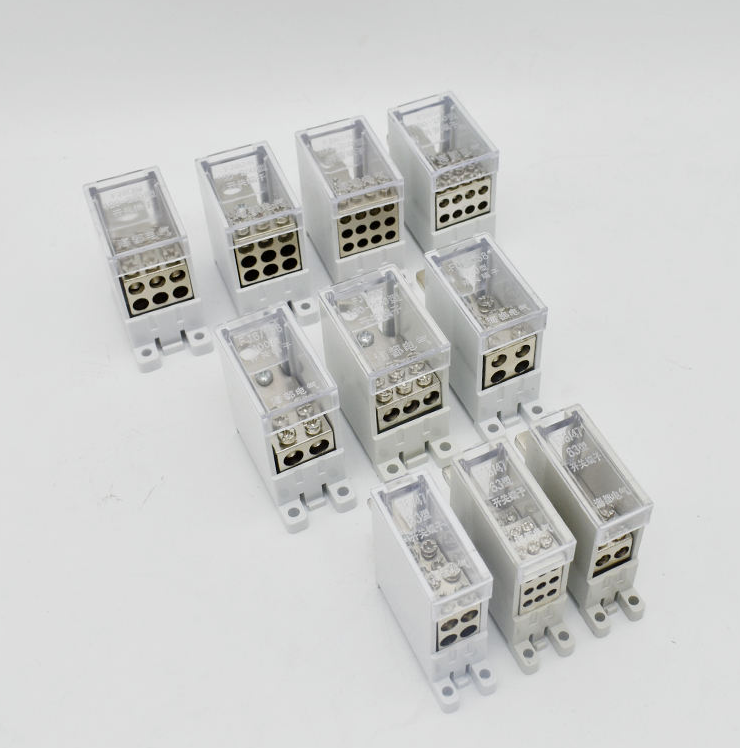
Why a Terminal Block Set Must Be Installed Carefully
A Terminal Block Set typically includes multiple individual connectors designed to simplify wiring in complex systems. However, the benefits of organization and modularity can be undermined if connections are not tightened correctly. Many installers rush through assembly without verifying torque specifications or using torque-controlled screwdrivers, causing loose connections that show symptoms only after the system is energized.
Here are scenarios where loose connections frequently occur:
- High-vibration environments such as motors, conveyors, and industrial machinery — repeated movement loosens screws.
- Thermal cycling where temperature changes cause metals to expand and contract.
- Incorrect torque application during installation — either too loose or too tight.
- Oxidation or corrosion at the conductor surface — this weakens the electrical contact.
Each of these scenarios can compromise the electrical integrity of the connection, even with high-quality materials like copper.
Prevention Strategies from Design to Maintenance
To reduce the risk of loose connections, manufacturers and installers can take proactive steps:
1. Use Torque-Controlled Tools
Applying the correct torque ensures that each wire is clamped with sufficient force — not too loose and not excessively tight. Many quality Copper Terminal Blocks come with recommended torque ranges in their datasheets.
2. Vibration-Resistant Designs
In applications with high vibration, consider terminal blocks with built-in vibration resistance — such as spring-clamp mechanisms — that maintain contact pressure without relying solely on screw tension.
3. Regular Inspection and Maintenance
Scheduled inspection of connection tightness can catch loose connections before they contribute to system failures. This is especially critical in large Terminal Block Sets that serve as hub points in control cabinets.
4. Surface Preparation and Clean Conductors
Ensure that wire ends are free of oxidation and are properly stripped to the recommended length. Copper conductors with clean surfaces establish better electrical contact inside the terminal.
Corporate Practice and Field Experience
At Zhejiang Haidu Electric Co., Ltd., engineering teams emphasize training for technicians on correct installation procedures. Even with advanced Copper Terminal Blocks, the human factor — how the connection is made — remains crucial. Routine checks and documented torque practices in assembly lines reduce field failures and customer service returns.