

 English
 Español
 عربى
عربىWith the rapid development of industrial automation, power distribution systems, and intelligent electrical equipment, connection reliability has become a major concern for global manufacturers and engineers. Buyers are increasingly searching for solutions such as high stability electrical terminal blocks, industrial wiring connection components, and terminal solutions for control cabinets. As a professional manufacturer, we understand that products like TB TC TD Terminal play an important role in ensuring secure electrical connections, improving installation efficiency, and supporting stable operation in different industrial environments.
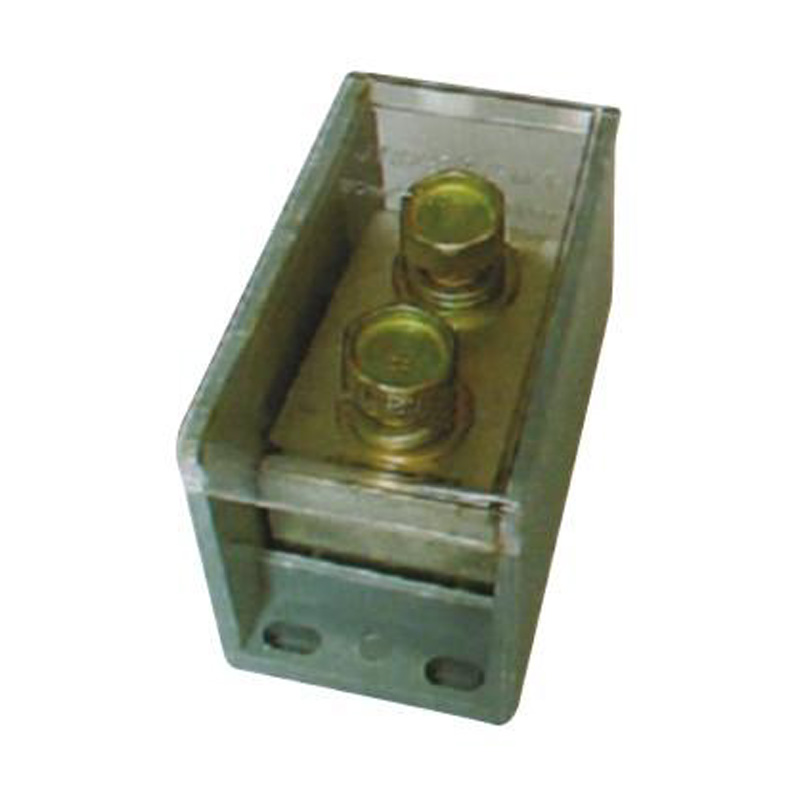
For equipment manufacturers and system integrators, selecting suitable terminal components is not only about electrical connection but also about long-term safety, maintenance convenience, and compatibility with various applications.
Why Terminal Connection Quality Matters in Industrial Applications
In industrial electrical systems, terminal components are responsible for connecting wires, distributing current, and maintaining signal stability. A small connection issue may affect the performance of an entire electrical system.
Professional buyers usually focus on:
Connection reliability during long-term operation
Electrical conductivity performance
Mechanical stability after installation
Resistance to vibration and environmental changes
Ease of maintenance and replacement
These factors make terminal selection an important part of electrical equipment design.
How Proper Terminal Design Improves Installation Efficiency
Modern electrical projects often require faster installation and easier maintenance. Engineers prefer terminal products that simplify wiring processes while maintaining stable performance.
A practical terminal design should provide:
Clear wiring identification
Convenient installation structure
Reliable wire fixing methods
Compact space utilization
Easy inspection and maintenance
These features help reduce installation complexity, especially in control cabinets, automation equipment, and industrial electrical systems.
Material Selection Influences Electrical Performance
The materials used in terminal components directly affect their performance in different working conditions. Professional manufacturers carefully select materials according to application requirements.
Important material considerations include:
Conductive metal components for stable current transmission
Insulating materials with suitable electrical properties
Mechanical strength for repeated installation
Resistance to environmental factors
Compatibility with different wire specifications
A balanced material selection process helps ensure consistent product performance.
Different Industries Require Different Terminal Solutions
Electrical connection requirements vary across industries. A terminal product suitable for one application may not always meet another industry’s needs.
Common application fields include:
Industrial control systems
Power distribution equipment
Automation machinery
Electrical cabinets
Building electrical installations
Manufacturers need to understand these application differences when developing terminal solutions for global markets.
Why Customization Capability Matters for Overseas Buyers
Many international buyers require products that match their specific equipment designs. Standard products may not always provide the suitable solution for specialized projects.
Customization requirements may include:
Different terminal structures
Specific installation methods
Customized product markings
Packaging requirements for different markets
Adaptation to specific electrical systems
A manufacturer with engineering support can provide more practical solutions for different customer needs.
Quality Control Supports Stable Global Supply
For distributors and equipment manufacturers, consistent product quality is essential for maintaining customer trust. Reliable production management helps ensure that every batch meets expected requirements.
Professional quality control may include:
Incoming material inspection
Production process monitoring
Dimensional accuracy checks
Electrical performance testing
Final product inspection before shipment
These procedures support stable cooperation between manufacturers and international buyers.
Future Development of Industrial Terminal Technology
As industrial equipment becomes more compact and intelligent, terminal components are also evolving toward improved reliability, easier installation, and better adaptability. Engineers are increasingly looking for connection solutions that can support modern electrical systems while reducing maintenance requirements.
For global buyers seeking dependable connection components, choosing an experienced manufacturer with products such as FJ6 Terminal helps ensure stable electrical performance, efficient installation, and reliable solutions for industrial applications.