

 English
 Español
 عربى
عربىProper wiring and installation are essential when working with DIN Rail Terminal Blocks, ensuring both safety and efficient operation in electrical panels. These terminal blocks are widely used in industrial control systems, energy distribution, and machinery, offering modularity, secure connections, and high-density wiring options. Zhejiang Haidu Electric Co., Ltd. provides a broad range of dual row terminal blocks and DIN rail terminal blocks engineered for reliable performance and ease of installation.
1. Preparing for Installation
Before installing DIN rail terminal blocks, it is important to carefully plan the layout of the panel. Determine which circuits will be connected to the dual row terminal blocks, the required wire lengths, and the nicely rail placement to minimize clutter. Pre-labeling wires and terminals can significantly reduce errors during installation.
Map out wire routing and terminal placement
Pre-label wires for easy identification
Ensure adequate spacing for ventilation and maintenance
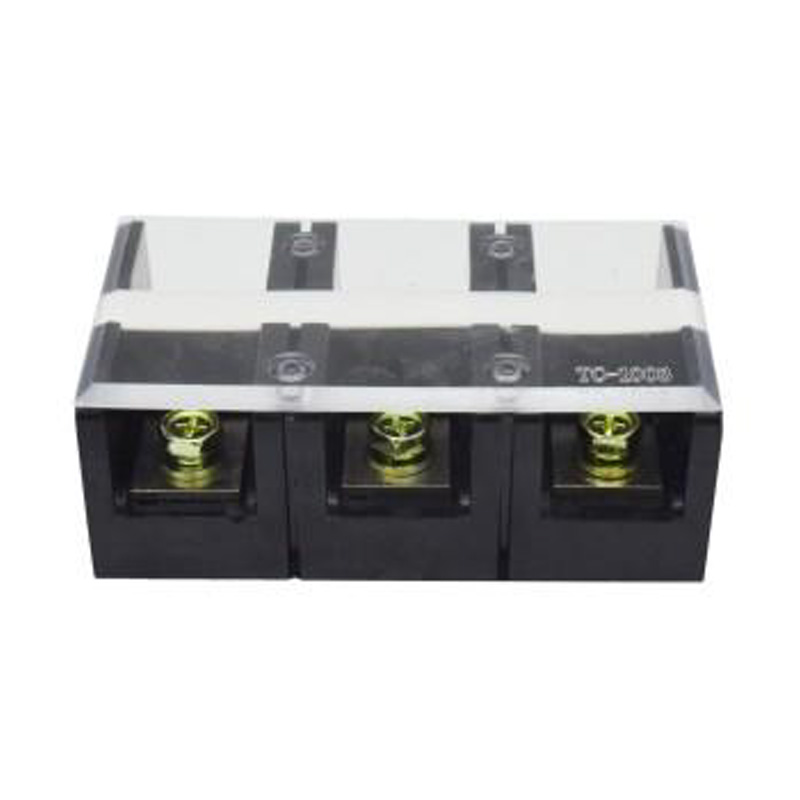
2. Secure Mounting on DIN Rails
DIN Rail Terminal Blocks are designed to snap onto standard 35mm rails. Proper mounting is critical to prevent movement or loosening over time. Make sure the rail is securely fixed to the panel and the terminal blocks are snapped into place firmly. Dual row terminal blocks often require extra attention to alignment to maintain easy access to all connection points.
Verify rail is level and securely attached
Snap terminal blocks firmly into position
Check alignment for dual row blocks to avoid access issues
3. Correct Wire Insertion
A common issue during installation is improper wire insertion, which can result in loose connections, overheating, or intermittent faults. Strip wires to the recommended length, insert them fully into the terminal, and tighten screws or clamps according to manufacturer specifications. High-quality dual row terminal blocks ensure even pressure across all conductors for secure and stable connections.
Strip wires to correct length
Insert wires fully before tightening
Avoid over-tightening to prevent wire damage
4. Organizing and Labeling
With multiple circuits in a control panel, keeping wiring organized is essential. Dual row terminal blocks can help save space, but proper organization is still required. Use markers, labels, or color-coded wires to identify circuits clearly. This practice simplifies troubleshooting, maintenance, and future expansions.
Use labels or markers for each circuit
Group wires logically by function or voltage level
Maintain neat routing to reduce stress on connections
5. Maintenance and Safety Checks
Periodic inspection of DIN rail terminal blocks is recommended, especially in industrial settings. Check for loose connections, corrosion, or signs of overheating. Dual row terminal blocks, due to their compact design, may require closer attention to ensure all connections remain secure over time. Zhejiang Haidu Electric Co., Ltd. designs its terminal blocks with durable materials to withstand long-term usage.
Inspect for loose or damaged wires regularly
Ensure all screws and clamps are tight
Replace worn or corroded blocks promptly
6. Selecting the Correct Terminal Block
Choose terminal blocks that match your system’s voltage, current, and wire gauge requirements. Consider the environmental conditions and safety certifications. Dual row terminal blocks provide space-saving solutions, but ensure they fit your wiring needs without compromising safety or accessibility.
Match terminal blocks to electrical specifications
Verify material and insulation quality
Ensure compatibility with panel layout and DIN rail type
Proper preparation, secure mounting, organized wiring, and periodic maintenance can prevent many common issues. Manufacturers like Zhejiang Haidu Electric Co., Ltd. provide products designed to simplify installation while maintaining high performance and safety standards.